
Glaucoma Treatment NYC by Marc Bystock L.Ac.
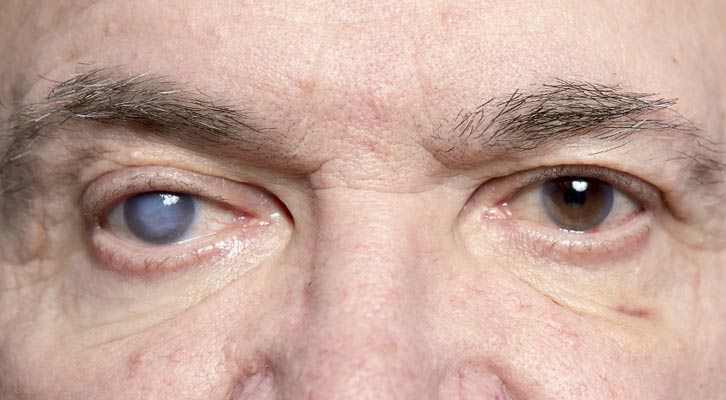
"I always use specialized acupuncture techniques whenever I treat patients for degenerative eye disorders. Often, I will include in the treatments micro-current stimulation, electrical stimulation, cold laser, and bioenergetics. Using these techniques, I can help over 75% of glaucoma and ophthalmological patients who visit me each year!"
-Marc Bystock L.Ac.

Treatments for Glaucoma by NYC Acupuncturist in Midtown Manhattan NY 10016
What is Glaucoma?
Over three million people in America have glaucoma. That figure is estimated to grow to four million by the year 2030. Glaucoma is often referred to as the silent thief because it can remain symptom-free while its devastating effects begin to steal your eyesight!
Glaucoma can be challenging to diagnose until it begins to show damage. The big problem is that most glaucoma victims feel no pain, and most will continue having 20/20 vision until it’s too late. Over 70% of the glaucoma damage (vision loss) can take place before diagnosis occurs.
Glaucoma can steal your peripheral vision, making you feel like you are looking through a tunnel, or it can completely rob you of your sight. The latest research confirms that glaucoma is a disease of the brain. The retina and optic nerve of the eye are extensions of the brain. Glaucoma shares something in common with some of the degenerative brain disorders like Alzheimer’s and Parkinson’s disease. The brain, the retina, and the optic nerve can all accumulate beta-amyloid plaque.
In glaucoma, damage can occur to the optic nerve cells, causing death of retinal neurons. There are two different types of glaucoma. Most cases are termed open-angle glaucoma. Open-angle glaucoma occurs when the filter for the fluid in the eye becomes clogged, increasing intraocular pressure (IOP).
The second type of glaucoma is termed narrow-angle glaucoma. This type occurs when the angle of the drain area is too small for drainage to occur. This glaucoma type is potentially dangerous because it could cause a stroke in the eye. This type can be considered an eye emergency.

What Causes Glaucoma?
Glaucoma may have a strong genetic component. Medical researchers suggest that mitochondrial damage may be associated with glaucoma. Mitochondrial complex I defects are linked to trabecular filter cell damage. Blood vessel damage from either high blood pressure or low blood pressure may be a contributing factor. Another associative cause may be diabetes. Inflammation is the common thread connecting the two.
According to a 2002 study, glaucoma is twice as prevalent among hypothyroid patients (low thyroid function) as compared to the general public. Finally, glaucoma may be strongly associated with obesity according to some studies.
Low-tension glaucoma is generally a condition of poor blood circulation, insufficient oxygen, inflammation, and inadequate nutrient delivery to the optic nerve. This is what causes so much damage to the eye tissue.
Secondly, glaucoma may result from other medical conditions like eye trauma, inflammation, or the side effects of certain medications. Last, there is congenital glaucoma, which can happen shortly after birth.
What Are the Symptoms of Glaucoma?
Open-angle glaucoma lacks warning signs in its early stages. With further degeneration, blind spots may appear in the peripheral vision. This is the reason glaucoma is called the “Thief of all eye disorders.” For closed-angle glaucoma, there may be no symptoms before the disease progresses. Once an attack occurs, symptoms may include the following:
- Severe bloodshot eyes
- Sharp eye pain
- Blurry vision with an inability to focus
- Seeing auras of blended colors
- Migraine headaches
- Queasiness, not feeling well
How is Glaucoma Diagnosed?
A physician should perform an examination. A device to measure your eye pressure, called a Tonometer, will be used. A biomicroscope is used to look at the anterior (front) and posterior (rear) chambers of the eyes. Next, the optic nerve should be examined for a condition known as cupping. Cupping occurs when elevated intraocular pressure alters the shape of the optic nerve.
Finally, your doctor should use a machine called a visual field analyzer to determine if there are any blind spots in your peripheral (side) vision. Other tests may be involved. It’s up to your physician to run a complete set of tests to evaluate your risk potential for developing glaucoma or to determine if you may already have glaucoma.
What Are the Conventional Treatments for Glaucoma?
Patients with glaucoma are typically placed on a beta blocker or an alpha agonist eye drop to lower intraocular pressure. In more severe cases of glaucoma, surgery may be performed. Unfortunately, many of the eye drops on the market contain preservatives. These preservatives often create more ocular inflammation. I suggest you search for a preservative-free drop.
My Holistic Acupuncture Treatments for Glaucoma
Acupuncture has been a reliable medical modality used to treat eye conditions, including glaucoma, for over 2,000 years. One independently published study found that when acupuncture eye treatments were properly administered alongside medicated eye drops, intraocular pressure decreased significantly beyond the effects of the medication alone.
In another study using the Heidelberg retina flowmeter, acupuncture treatments demonstrated a reproducible and quantifiable effect on arterial blood perfusion in the eyes. This research shows that acupuncture has a stimulatory effect on the nervous system, increasing blood flow to the brain, optic nerve, and eyes, and decreasing intraocular pressure. Sensory stimulation using acupuncture may prevent further vision loss from the peripheral visual field. Acupuncture is an excellent modality helping to support good vision! I’ve had tremendous success treating glaucoma patients.
I always use specialized acupuncture techniques whenever I treat patients for degenerative eye disorders. Often, I will include microcurrent stimulation, electrical stimulation, cold laser, and bioenergetics in the treatments.
A nutritional consultation is vital for both you and your eyes to ensure you are eating foods that optimize your health and eliminate potentially inflammatory foods that could support the disease process. Medications alone are, unfortunately, not always enough to manage or repair the damaged ocular tissue due to the harmful effects of glaucoma.
Acupuncture needles may be placed on the hands, feet, around the eyes, and at specific locations around the body. Needles are never placed in the eyes. Finally, the right vitamins, minerals (supplements), and herbs may be recommended on an individual basis to fill any nutritional gaps, reduce oxidative stress, increase blood flow to the eyes, and decrease inflammation. Using these techniques, I can help over 75% of glaucoma and ophthalmological patients who visit me each year.

Contact NYC Acupuncturist Marc Bystock L.Ac. for a Free Glaucoma Treatment Consultation
I have a long and proven history of helping my patients overcome adverse health issues related to Glaucoma, and I know I can help you, too!
I offer new patients a free consultation so I may better understand your exact situation and advise you on how I think you should proceed to achieve the best results. I hope to hear from you soon.
Please contact me today!