Neuropathy Treatments with Acupuncture
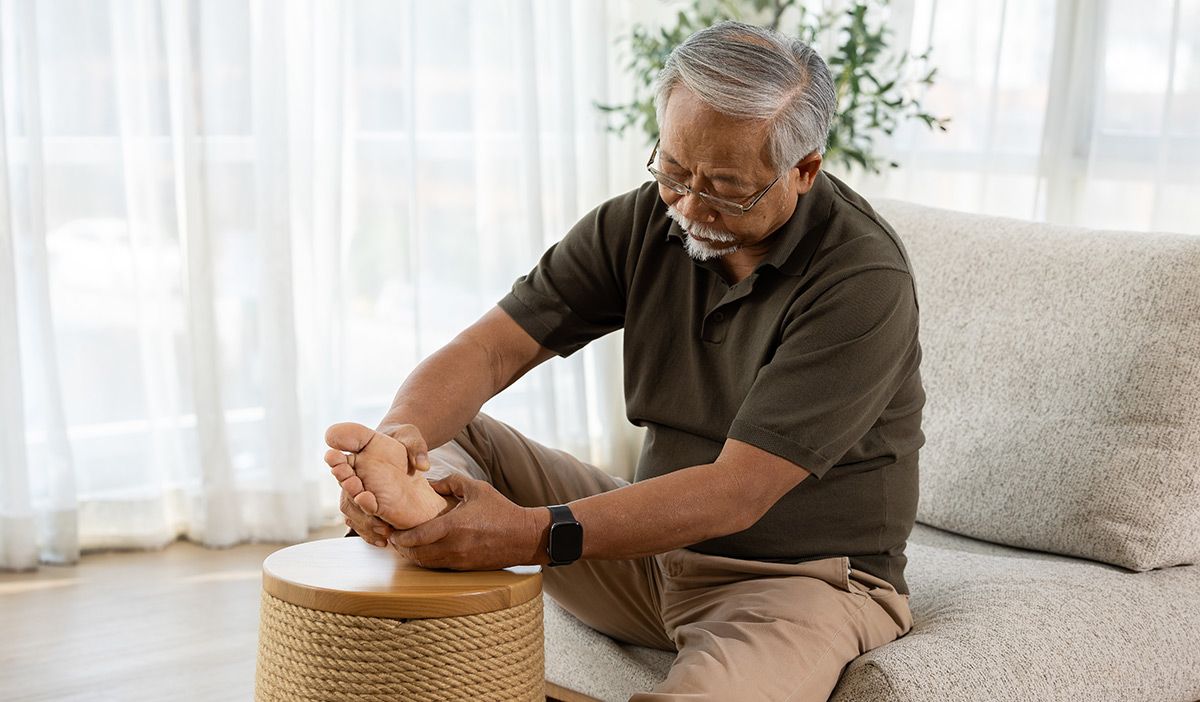
What Is Neuropathy?
Neuropathy, often called peripheral neuropathy, occurs when nerves outside the brain and spinal cord are damaged or impaired. This condition affects the body's communication system, as nerves transmit signals between the brain, spinal cord, and other parts of the body. Neuropathy can affect sensory, motor, and autonomic nerves, causing a wide range of symptoms. Neuropathy is not a single disease; it results from various underlying conditions or factors. While severity and progression vary, it often starts with mild discomfort and may worsen over time without intervention.
According to its cause, neuropathy may be classified as diabetic neuropathy, chemotherapy-induced neuropathy, or idiopathic neuropathy, among others. The condition is often chronic and can progress if left untreated, disrupting mobility, sensation, and the ability to perform daily tasks. Proper diagnosis and treatment are essential to managing symptoms and improving the patient's quality of life.
Common Neuropathy Symptoms
Neuropathy manifests through a variety of symptoms, which can differ in severity and progression. These symptoms depend on the types of nerves affected, so it's essential to recognize them early.
- Tingling or Numbness - Patients often experience tingling sensations or numbness, particularly in the hands and feet. This can start as a mild annoyance but may intensify, leading to nearly complete loss of sensation.
- Burning Pains or Sharp Aches - A hallmark of neuropathy is an intense burning pain or sharp, electric-like aches. These sensations can fluctuate in intensity and sometimes become debilitating at night.
- Muscle Weakness - Weakness in affected areas is also common, making it hard to do basic motor tasks like walking or lifting objects. This may increase the risk of falls or injuries.
- Loss of Coordination - Damage to motor nerves may cause poor coordination, affecting balance and movement. Tasks requiring fine motor skills, such as buttoning a shirt, become particularly challenging.
- Heightened Sensitivity - Some patients report heightened sensitivity to touch or temperature—even light contact with fabric can cause extreme discomfort. In extreme cases, patients may struggle to tolerate any tactile sensation.
Common Causes of Neuropathy
Neuropathy can develop from various underlying conditions, lifestyle factors, or external triggers. One of the primary causes is diabetes, as high blood sugar over time damages nerve fibers throughout the body. Chronic alcohol abuse is another significant factor contributing to nutritional deficiencies that impair nerve function. Certain infections, such as shingles and Lyme disease, can also lead to nerve inflammation and long-term damage. Autoimmune disorders, including rheumatoid arthritis and lupus, may induce neuropathy by attacking healthy nerve tissues.
Chemotherapy and radiation treatments for cancer are well-documented causes due to their impact on the nervous system. Prolonged exposure to environmental toxins, such as pesticides or heavy metals, has also been linked to neuropathy. Hereditary conditions like Charcot-Marie-Tooth disease result in genetic predispositions for nerve degeneration. Lastly, physical trauma, such as injuries or prolonged pressure on a nerve, can directly lead to neuropathic symptoms.
Related Conditions That Can Be Treated with Acupuncture
Acupuncture can treat neuropathy and other related conditions by targeting the nervous system.
- Carpal Tunnel Syndrome - This condition involves compression of the wrist's median nerve, causing tingling, weakness, and pain. Acupuncture can alleviate inflammation and relieve pressure on the nerve.
- Sciatica - Sciatica often results from irritation or compression of the sciatic nerve, causing radiating pain in the legs. Through acupuncture, inflammation can be reduced, and the nerve pathways can be soothed.
- Fibromyalgia - A chronic condition known for widespread muscle and nerve pain, fibromyalgia can benefit from acupuncture, which promotes blood flow and balance in the nervous system.
- Complex Regional Pain Syndrome (CRPS) - This condition causes severe pain, usually in a limb, following an injury. Acupuncture can enhance circulation and calm pain pathways.
- Chemotherapy-Induced Neuropathy -Individuals undergoing chemotherapy often experience nerve damage. Acupuncture supports nerve repair and reduces chemotherapy's harsh side effects.
Candidates for Treatment with Acupuncture
Many people suffering from neuropathy can be strong candidates for acupuncture therapy with Marc Bystock. People with chronic symptoms such as tingling, numbness, or limb weakness often benefit from this approach. Whether the cause is diabetes, alcohol-related nerve damage, or autoimmune conditions, acupuncture offers a versatile treatment path. Individuals who prefer a drug-free, natural way to alleviate neuropathic symptoms may find immense value in this holistic approach. People with underlying causes like fibromyalgia or sciatica, which often contribute to secondary neuropathy, are also good candidates.
Patients undergoing conventional treatments such as chemotherapy can explore acupuncture as a complementary therapy. Acupuncture is especially suitable for those who have tried traditional pain management methods without success. Even for individuals with inherited neuropathy predispositions, acupuncture may slow progression and ease discomfort. By targeting root causes and supporting overall health, this treatment suits a wide range of candidates.
How NYC Acupuncturist Marc Bystock Treats Neuropathy with Acupuncture
Acupuncture offers a unique, integrative approach to neuropathy under my care. By targeting specific acupuncture points, we stimulate the nervous system to release natural painkillers such as endorphins. This method also enhances blood flow to affected areas, promoting healing in damaged nerves. Treatment focuses on rebalancing the body’s energy, or qi, to facilitate communication between nerves and organs. Unlike conventional methods, acupuncture addresses not only symptoms but also underlying causes, such as inflammation or systemic imbalances.
NYC Acupuncturist Marc Bystock's personalized approach often includes complementary techniques, such as dietary guidance or herbal therapy. Sessions are tailored to whether the patient experiences sensory, motor, or autonomic nerve disruption. With consistent care, patients often report improved sensation, reduced pain severity, and enhanced quality of life. Many find that acupuncture supports long-term symptom management without relying on medications.
Possible Side Effects of Treatment
Acupuncture is generally regarded as safe, though mild side effects may occur. Some patients experience minor bruising or soreness at acupuncture sites. Temporary fatigue is common as the body adjusts to the treatment's effects. Dizziness can occur, particularly after the first session, as energy flow is redistributed. Mild emotional shifts, such as feeling unusually relaxed or emotional, may occur as the nervous system regulates. Paradoxically, symptoms can worsen briefly before improving. Finally, rare cases of infection or needle-related complications arise only when performed by unlicensed practitioners.
What Can Happen if Neuropathy Goes Untreated?
Leaving neuropathy untreated can result in serious health impacts. Mild symptoms, such as tingling or occasional numbness, may progress to chronic pain and severe sensory dysfunction. Over time, this can lead to muscle atrophy, reduced mobility, and balance problems, increasing fall risks. Sensory complications can limit daily activities, from driving to cooking, significantly diminishing independence.
Impaired nerves can cause circulatory issues that may lead to skin ulcers or poor wound healing, especially in diabetic patients. Chronic pain often disrupts mental well-being, contributing to anxiety and depression. Additionally, nerve degeneration, when unchecked, can become irreversible. The risk of secondary complications, such as infections from unnoticed injuries, also increases. Overall, untreated neuropathy drastically reduces quality of life.
Summary
Neuropathy is a chronic condition characterized by nerve damage that leads to symptoms like numbness, burning pain, and muscle weakness, often stemming from underlying issues like diabetes or chemotherapy. If left untreated, the condition can progress, resulting in reduced mobility, irreversible nerve degeneration, and a significantly diminished quality of life. To help manage these symptoms, NYC acupuncturist Marc Bystock utilizes a holistic approach that stimulates the nervous system and boosts blood flow to damaged areas. Additionally, acupuncture helps rebalance the body's energy and supports long-term nerve repair without relying on conventional medications.